Mrai

Ferrous Metals

The Backbone of Recycling and Industry

Ferrous metals, primarily iron and steel, form the backbone of modern industrial development and infrastructure worldwide. From buildings and bridges to vehicles, machinery and everyday appliances, ferrous metals are deeply embedded in economic activity.

Steel is one of the world's most widely used materials due to its strength, durability and recyclability. It can be recycled repeatedly without losing its essential properties, making it a critical material for the circular economy.

Efficient ferrous scrap recycling keeps valuable materials in productive use, reduces dependence on virgin raw materials and supports resource efficiency, industrial sustainability and environmental protection.
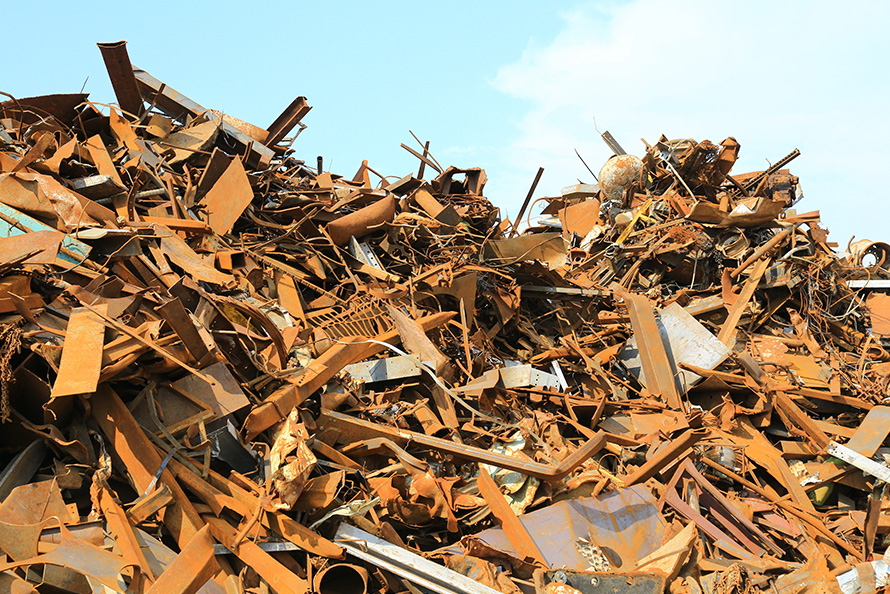
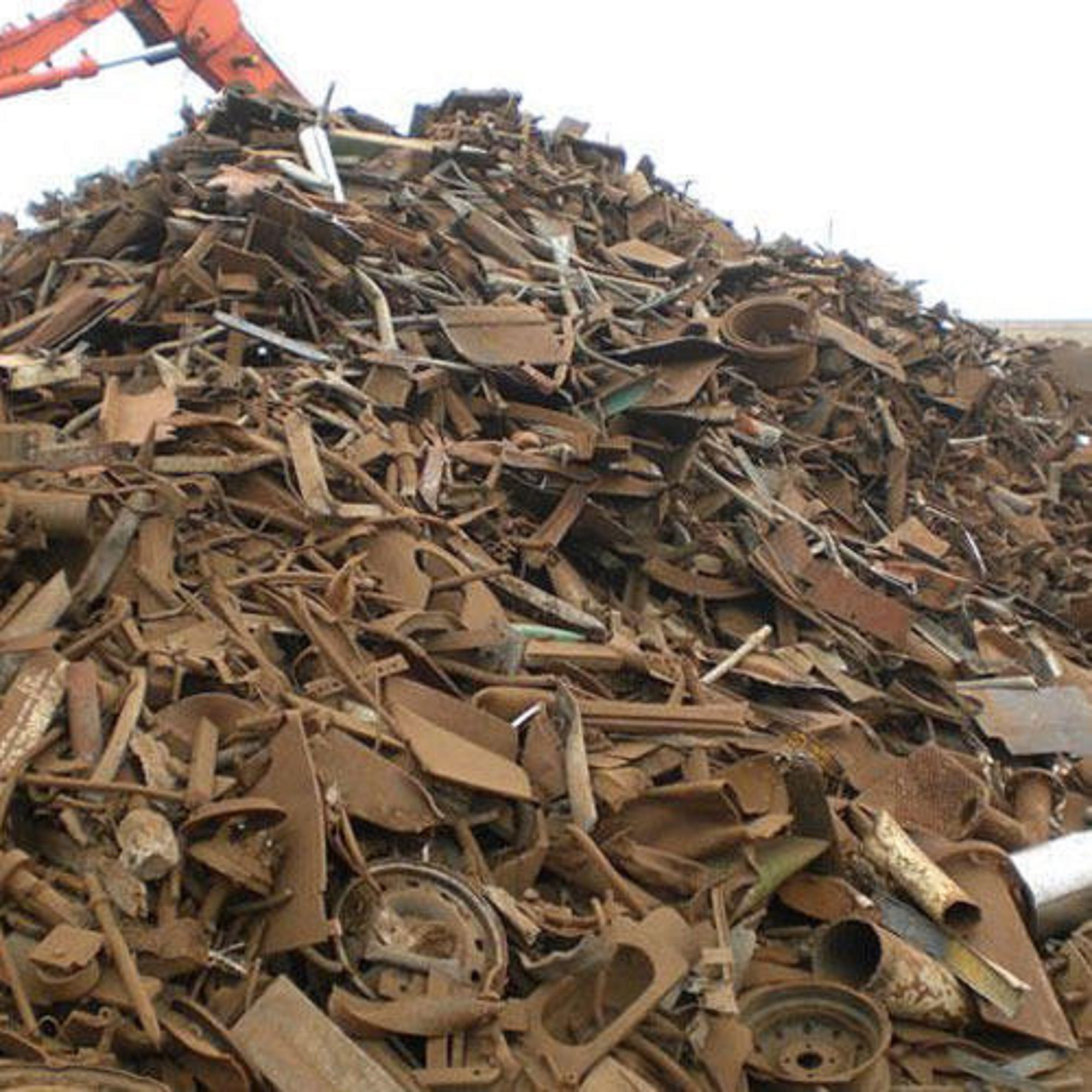
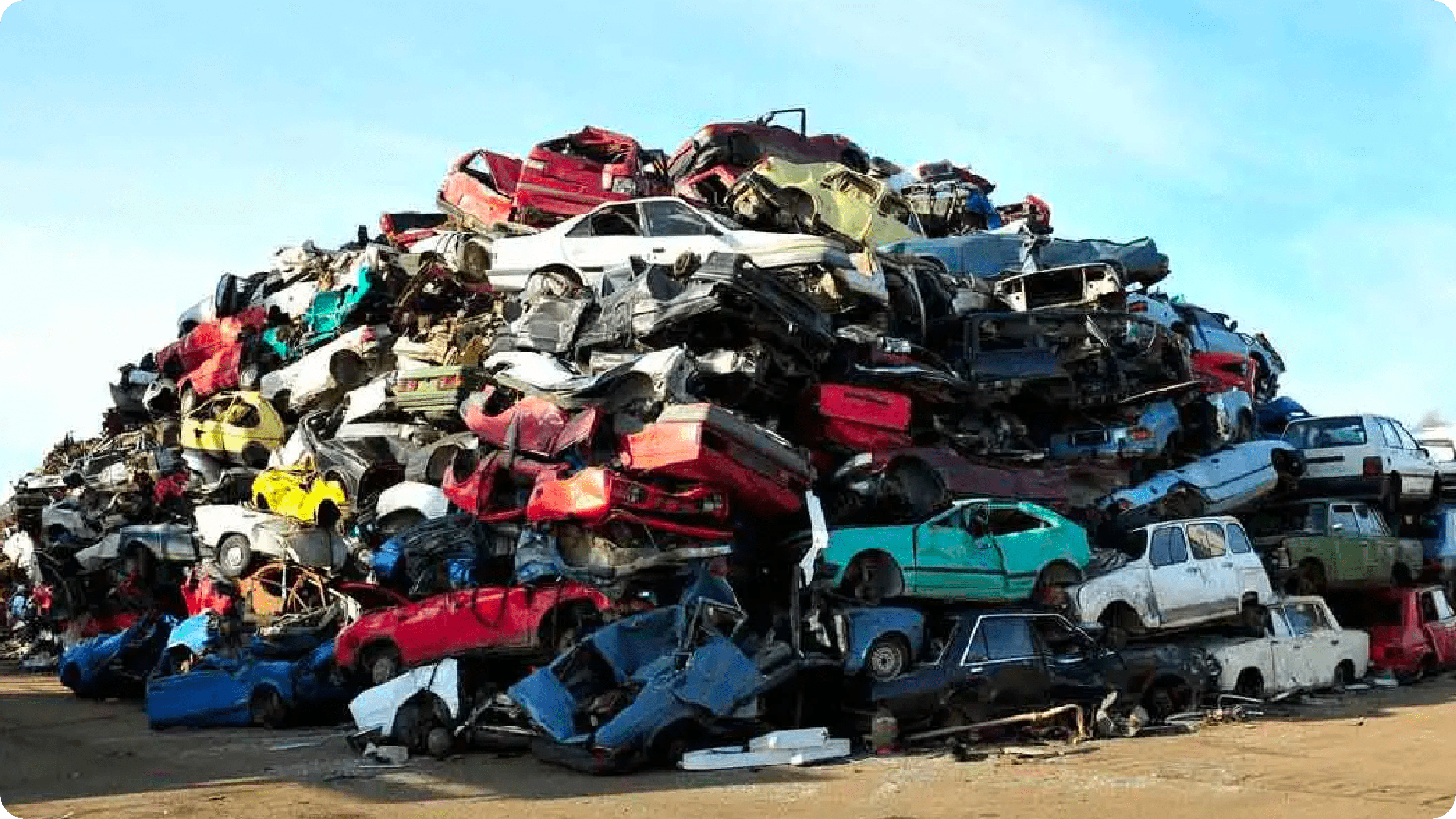
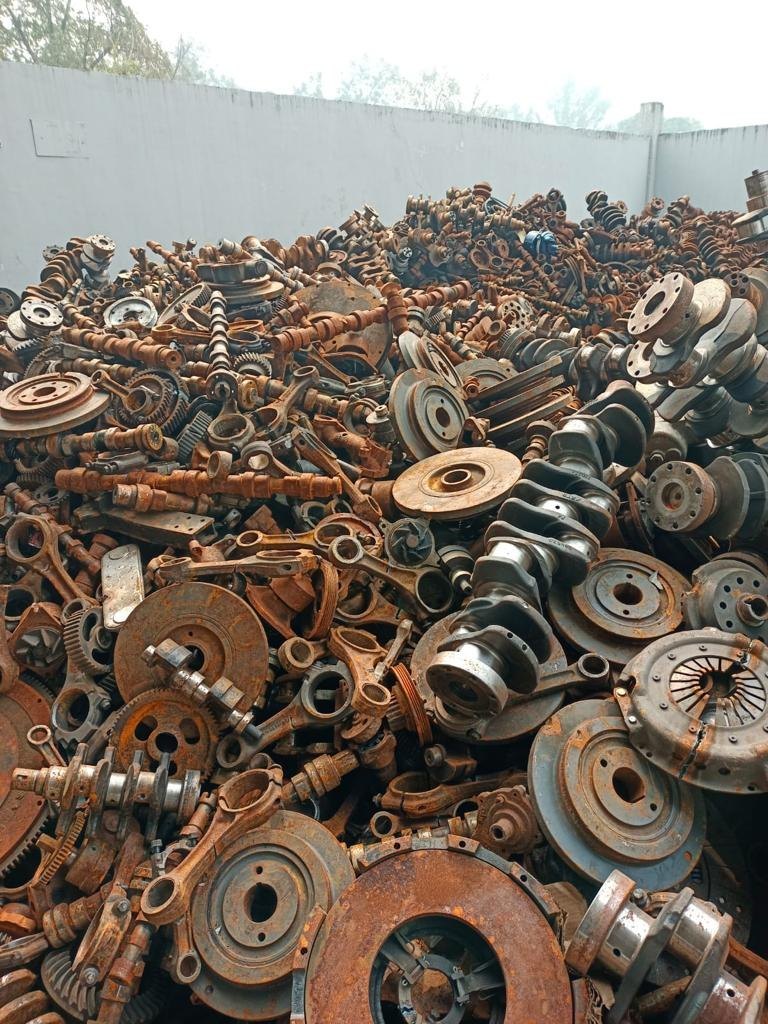
Ferrous scrap ready for recycling
Infinitely Recyclable Steel can be recycled again and again without losing its properties

Chairman’s Quote

Mr. Keyur Shah KS
Ferrous Committee
From the Chairman’s Desk

The strength of India’s steel industry will not only be measured by how much steel we produce, but by how efficiently we recover, recycle and put that steel back into the economy.

Mr. Keyur Shah

Managing Director, Mono Steel India Limited Chairman, Ferrous Committee, MRAI

Ferrous Industry Facts & Figures

Global Steel & Ferrous Scrap Snapshot

Ferrous scrap is among the most widely traded recyclable materials globally. International scrap trade helps balance regional supply and demand by enabling steel producers to access quality recycled raw material.

Countries with well-developed recycling infrastructure often export processed scrap to steel-producing regions where domestic scrap availability is limited. As the global steel industry moves toward more sustainable production systems, ferrous scrap will continue to play an important role in supporting efficient and low-carbon steelmaking.

~1.85–1.88 Billion Tonnes Crude Steel Production
~630–800 Million Tonnes Ferrous Scrap Recycled
~30%+ of Steel Output Scrap Share in Steelmaking
Up to ~74% Less Energy Energy Saving from Recycling
Up to ~58% Lower CO₂ CO₂ Reduction Potential

India – Steel Industry Snapshot

India is currently the second-largest producer of crude steel in the world, with production of approximately 152 million tonnes annually (2024–25). The country’s steel sector continues to expand rapidly, driven by infrastructure development, urbanisation, manufacturing growth, and government initiatives such as the National Steel Policy.

To support future demand, the Government of India has set a target of 300 million tonnes of steelmaking capacity by 2030, highlighting the growing importance of recycled raw materials such as ferrous scrap in sustainable steel production.

India Steel & Scrap Snapshot

IndicatorFY 2024–25
Installed Steel Capacity~205 MT
Target Steel Capacity (2030)~300 MT
Crude Steel Production~152 MT
Finished Steel Production~146.7 MT
Finished Steel Consumption~152.1 MT
Total Scrap Consumption~40–42 MT
Domestic Scrap Generation~32–35 MT
Share of Secondary Sector in Steelmaking~45–47%
Scrap Imports~9–10 MT
Estimated Scrap Demand by 2030~65–70 MT

Production & Consumption (April–March)

in Million Tonnes

View data as table
YearCrude Steel ProductionFinished Steel ProductionFinished Steel Consumption
Key Message

India is among the world's largest steel producers, while rising steel demand is simultaneously increasing the requirement for quality ferrous scrap.

Figures are based on industry estimates and publicly available reports. 2025–26 figures are provisional (P).

Steel & Recycling: India in the Global Context

How India’s steel and ferrous scrap sector compares with the global picture.

India vs Global

Indicator Global India
Crude Steel Production~1.85–1.88 BT~168 MT2025–26 (P)
Scrap-based Steelmaking~30%+~45–47%
Per-capita Steel Consumption~219 kg~108 kg
Ferrous Scrap DemandLarge established marketRapidly expanding
Scrap EcosystemMature in developed marketsFormalisation still evolving

Scale of Ferrous Use

Per-Capita Finished Steel Consumption

World Average ~219 kg

India ~108 kg

Insight India's lower per-capita steel consumption compared with the global average indicates significant long-term potential as infrastructure, urbanisation and manufacturing continue to expand.

Ferrous Scrap – Types & Generation

Three major sources of ferrous scrap, and how steel keeps moving through its life cycle.

01

Home Scrap

Generated within steel manufacturing plants and generally recycled internally.

02

Prompt Scrap

Generated during manufacturing and fabrication activities such as cutting, stamping and machining.

03

Obsolete Scrap

Recovered from end-of-life vehicles, machinery, appliances, infrastructure and other products.

Applications of Recycled Ferrous Materials

Recycled steel goes back into the products and infrastructure that drive the economy.

01

Construction & Infrastructure

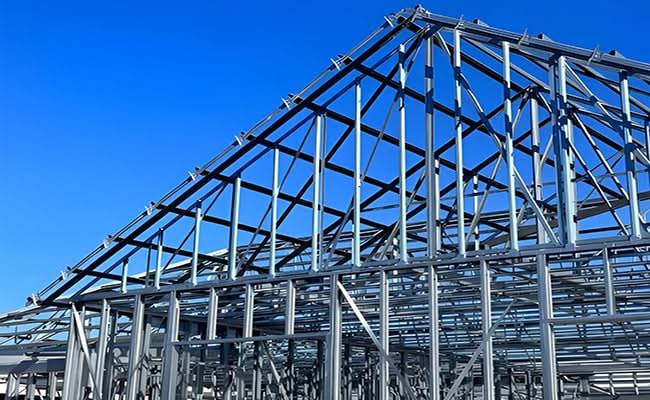
Recycled steel is used in structural components, reinforcement and infrastructure development.

02

Automotive

Scrap supports steel production for automotive manufacturing and creates recycling loops through end-of-life vehicles.

03

Machinery & Engineering

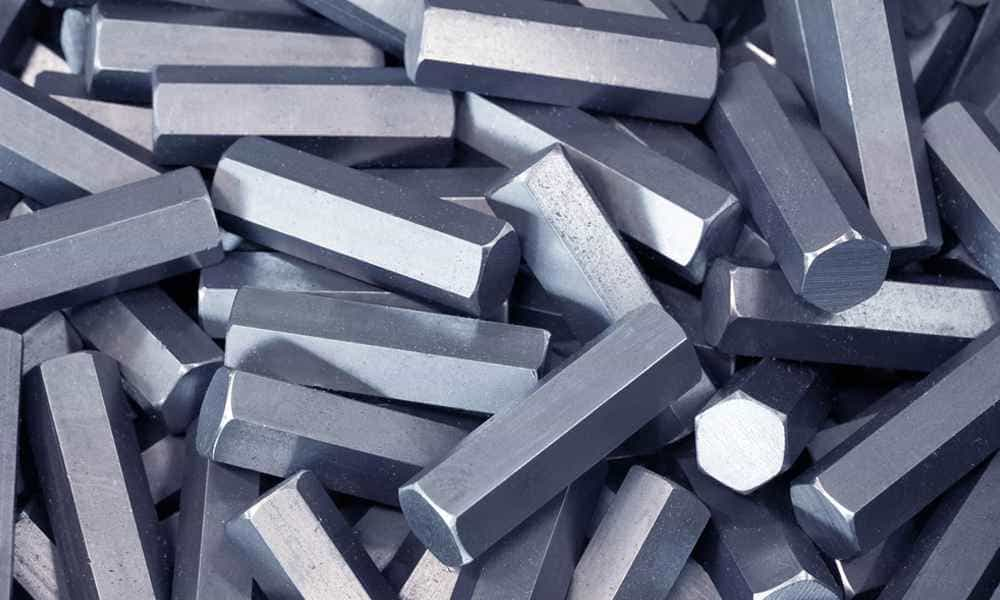
Alloy and tool steel scrap can be recovered and reused in engineering and manufacturing applications.

04

Railways & Transport

Recycled steel contributes to rail infrastructure and transport equipment.

05

Industrial Products

Machinery, equipment, appliances and fabricated products use steel produced through primary and secondary routes.

Ferrous Scrap Recycling Process

From collection to new steel products – the key stages of ferrous scrap recycling and the technologies behind them.

Phase 1

Scrap Processing

  1. 1

    Collection

  2. 2

    Segregation

    Magnetic SeparatorsSorting Systems
  3. 3

    Shredding

    ShreddersScrap Processing Equipment
  4. 4

    Baling

    Scrap Processing Equipment
Phase 2

Steelmaking

  1. 5

    Melting

    EAF / IF Steelmaking
  2. 6

    Refining

    EAF / IF Steelmaking
  3. 7

    Casting

  4. 8

    New Steel Products

Technology tags show the key equipment used at each stage

Recycling Benefits

Ferrous scrap recycling delivers value for the economy, for people and for the planet.

Economic

  • Nearly 40% of global steel production today is made using recycled scrap, demonstrating its immense industrial value.
  • Recycling one tonne of steel saves approximately 1,100 kg of iron ore, 630 kg of coal, and 55 kg of limestone.
  • Scrap-based steelmaking significantly improves cost efficiency and competitiveness for Electric Arc Furnace and Induction Furnace-based steel producers.
  • Improves resource efficiency and supports industrial competitiveness.

Social

  • India’s recycling ecosystem supports millions of livelihoods, including scrap collectors, traders, dismantlers, and recycling workers.
  • Expanding organised recycling infrastructure can create additional employment opportunities across collection, processing, and logistics segments.
  • Integrating the informal sector into organised recycling systems helps improve worker safety, skill development, and economic inclusion.

Environmental

  • Using ferrous scrap in steel production can reduce CO₂ emissions by up to 58% compared to primary steelmaking.
  • Recycling one tonne of steel saves 642 kWh of electricity, 1.8 barrels (≈ 287 litres) of oil, 10.9 million Btu of energy, and 2.3 m³ of landfill space.
  • Steel recycling uses 74% less energy, 90% less virgin materials, and 40% less water, while cutting water pollutants by 76%, air pollutants by 86%, and mining waste by 97%.
  • Increasing the use of recycled materials helps conserve natural resources and supports the transition toward a low-carbon steel industry.

MRAI & the Ferrous Sector

The Material Recycling Association of India (MRAI) plays an active role in promoting the development of a responsible and organised recycling ecosystem in the country. Through industry engagement, policy dialogue, and international collaboration, MRAI works to support the growth of the ferrous recycling sector. The association focuses on:

01

Responsible Recycling

Promoting responsible and organised scrap recycling practices.

02

Industry–Government Dialogue

Facilitating dialogue between industry and government.

03

Policy Support

Supporting policy initiatives that strengthen domestic recycling capacity.

04

Circular Economy

Encouraging sustainable resource management and circular economy practices.

05

Industry Representation

Representing the interests of the recycling industry at national and global platforms.

06

Awareness & Knowledge

Promoting awareness about recycling through conferences, seminars, workshops, etc.

Government & Industry Engagement

Recent interactions and representations by MRAI with ministries and government bodies.

Knowledge & Industry Sessions

Watch sessions and discussions on the ferrous and steel recycling sector.

MRAI Conference Session

Will Asia Take A Centre Stage For Secondary Ferrous Industry

Session from MRAI's 1st International Business Summit 2023 on the outlook for the secondary ferrous industry in Asia.

Watch Session
Steel Recycling Session

Vision 2030: Secondary Steel Sector Prospects & Challenges

Industry discussion on the growth prospects and challenges for India's secondary steel sector towards 2030.

Watch Session

Ferrous Materials

Common ferrous materials and scrap grades handled across the recycling value chain.

Heavy Melting Scrap Heavy Melting Scrap
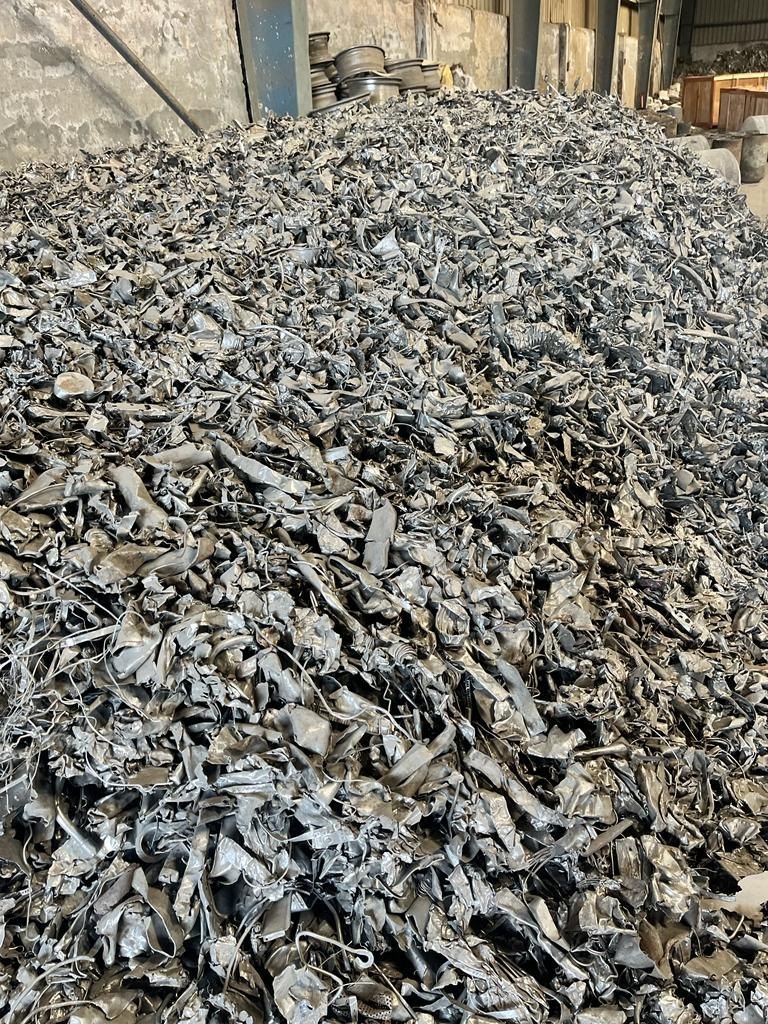
Shredded Steel Shredded Steel
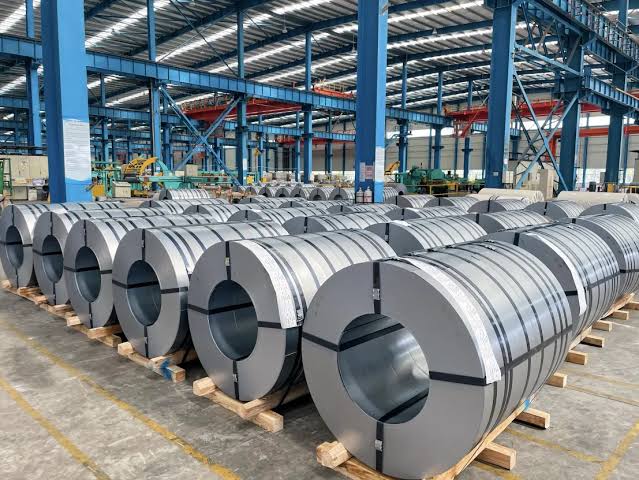
Steel Coils Steel Coils
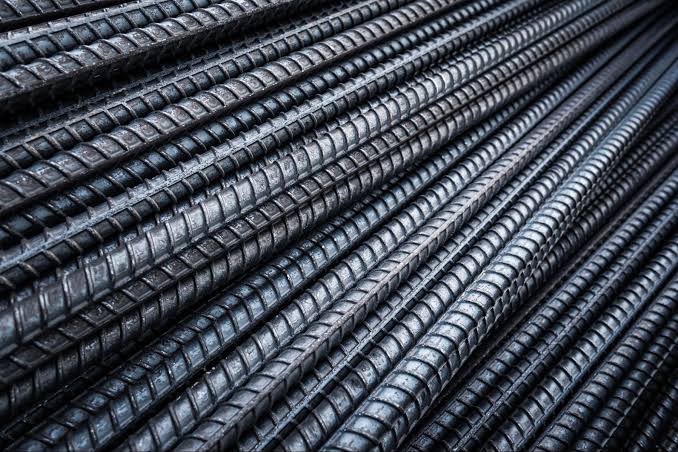
Rebar Rebar
Structural Steel Structural Steel
Automotive Scrap Automotive Scrap
Industrial Scrap Industrial Scrap
Stainless / Alloy Steel Scrap Stainless / Alloy Steel Scrap

Composition & Characteristics

What makes ferrous metals different?

Fe

Iron

Primary base providing strength.

C

Carbon

Influences hardness and ductility.

Cr Ni Mn

Chromium / Nickel / Manganese

Can improve corrosion resistance, strength and durability depending on grade.

Si Mo V

Silicon / Molybdenum / Vanadium

Used in various grades to enhance strength, wear resistance and other properties.

Main Types of Steel

Carbon Steel

Carbon Steel

Iron with carbon as the main alloying element. The most widely produced and recycled steel, used in construction, machinery and automotive parts.

Alloy Steel

Alloy Steel

Contains added elements such as manganese, chromium, nickel or molybdenum for higher strength, toughness and wear resistance.

Stainless Steel

Stainless Steel

Contains at least 10.5% chromium, giving excellent corrosion resistance. Widely used in kitchenware, process equipment and architecture.